Retail Banking – The Banking We Use Every Day
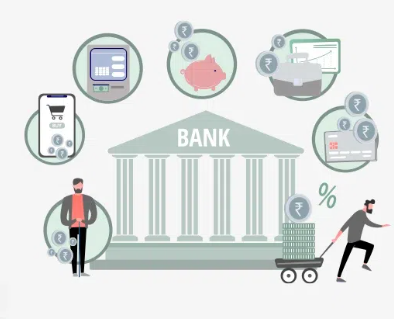
Retail Banking – The Banking We Use Every Day
Retail banking is something almost every one of us interacts with in our daily lives. Whether it is receiving a salary, withdrawing cash, paying bills, or transferring money through UPI, retail banking plays a silent but powerful role in our financial journey.
Yet, many people feel nervous when the topic of “Banks” comes up. Some hesitate to ask questions. Others avoid learning about banking products because they assume it is complicated.
But let’s pause and think, are banks really something to be afraid of?
Banks are service providers. They exist to protect our money, provide financial assistance, and help individuals grow financially. The more we understand retail banking, the more confident we become in managing our money.
What is Retail Banking?
Retail banking refers to the banking services offered directly to individual customers. It focuses on the everyday financial needs of the general public.
For many people, a bank simply means a place to:
- Keep money safe
- Earn some interest
- Withdraw cash when needed
Some may also know about fixed deposits or loans. However, retail banking is much broader than that. It forms the foundation of personal finance, right from savings and payments to investments and borrowing.
Retail banking ensures that individuals have access to secure financial services that support their daily lives and long-term goals.
Key Products and Services in Retail Banking
Let’s understand the major components of retail banking in simple terms -
1. Savings Account
A Savings Account is the most basic and widely used banking product. It allows individuals to deposit money safely while earning interest on the balance.
Key features:
- Easy deposits and withdrawals
- Interest on the funds in account
- ATMs & debit cards
- Minimum amount of balance required which varies from bank to bank
Savings accounts are ideal for salaried individuals, students, homemakers, and anyone who wants to manage daily finances securely.
Different banks offer different interest rates and balance requirements, so it is important to compare the brand before choosing.
2. Current Account
A Current Account is designed for businessman, traders, and professionals who deal with multiple transactions almost on daily basis
Key features:
- The transactional limits are higher for them on daily basis
- No interest is paid on the amount kept
- People can also avail Overdraft facilities in some cases
Current accounts focus more on transaction convenience rather than earning interest.
3. Fixed Deposit (FD)
A Fixed Deposit allows customers to invest a lump sum amount for a fixed period at a predetermined interest rate.
Why people choose FDs:
- Higher interest than savings accounts
- Safe and low-risk investment
- Fixed returns
- Flexible tenure options
FDs are suitable for individuals looking for stable returns without market risk.
4. Recurring Deposit (RD)
A Recurring Deposit encourages disciplined savings. Instead of depositing a large amount at once, customers deposit a fixed amount every month for a chosen tenure.
At the end of the period, they receive:
- Total deposited amount
- Interest earned
RDs are ideal for:
- Salaried individuals
- Short-term financial goals
- Building a regular saving habit
It is a simple yet powerful way to grow savings gradually.
5. Debit Card
A Debit Card is linked directly to your bank account and allows easy access to your funds.
You can use it to:
- Withdraw cash from ATMs
- Make online purchases
- Swipe at stores
- Pay utility bills
The money is directly deducted from your account balance, helping you control spending within available funds.
6. Passbook
A Passbook is a physical record of transactions in your bank account. It includes:
- Deposits
- Withdrawals
- Interest credits
- Charges
Though digital banking is common today, the traditional way of maintaining passbooks still help many customers track their transactions easily.
7. Account Statement
An Account Statement is a detailed summary of transactions over a specific period. It can be accessed through internet banking, email, or at the branch.
Statements are important for:
- Loan applications
- Tax filing
- Income verification
- Personal financial tracking
They serve as official proof of financial activity.
Why Understanding Retail Banking Matters
Retail banking is not just about storing money. It is about managing, growing, and planning your finances wisely.
When you understand how banking products work:
- You avoid unnecessary charges
- You choose the right products
- You build better financial habits
- You make informed financial decisions
Financial literacy begins with understanding retail banking. Once you know how these basic services work, banking becomes less intimidating and more empowering.
Banks are not complicated institutions meant to confuse people. They are structured systems designed to support individuals in their financial journey.
The more you learn, the more confident you become, and confidence is the first step toward financial independence.