Empathy Is Powerful-But Is It Enough in Customer Service?
Empathy can calm a customer.
Action earns their loyalty.
If you have worked even a single day in customer service, you might have heard this sentence countless times:
“Always empathize with the customer.”
As customer service managers, we are trained to believe that empathy is the ultimate solution. When customers feel heard and valued, escalations reduce, tempers cool down, and conversations become smoother. And yes, empathy does matter. Deeply.
But here’s the uncomfortable truth no one talks about:
Empathy alone is not enough.
It may save you once. It will not save you always.
The Illusion of “Empathy-Only” Service
Empathy is often treated as the final destination, when in reality, it is only the starting point.
Customers don’t contact support just to hear, “I understand how you feel”
They reach out because something is broken, delayed, wrong, or unfair and they want it to be fixed.
You can empathize a hundred times, but if there is no resolution, the customer will eventually ask:
“If you do understand my problem so well, why aren’t you solving it?”
That is where empathy without action turns into frustration.
A Real-Life Scenario That Changed My Perspective
Let me share a simple yet powerful experience.
I once visited a store to buy a back cover for my mobile phone. I liked one, purchased it, and went home satisfied. The next day, I noticed a defect in the cover — it didn’t fit properly and had a clear manufacturing flaw.
Naturally, I went back to the store and requested a replacement.
The shopkeeper was extremely polite. He listened patiently and said:
“I completely empathize with you. I agree the product has a flaw.”
So far, so good.
But then came the twist.
He added:
“However, we have a strict no-return and no-replacement policy, so I won’t be able to help.”
He kept empathizing.
He kept agreeing.
But he kept saying no.
At that moment, I wasn’t an angry customer and a confused one.
If you agree the product is defective, why can’t you fix the problem?
That’s when it struck me:
Empathy without ownership feels hollow.
What Customers Actually Need
Customers don’t want sympathy.
They want solutions.
Empathy is emotional reassurance.
Ownership is operational responsibility.
Great customer service happens when both work together.
A customer feels respected when:
- You acknowledge their pain (empathy)
- You take responsibility for resolving it (ownership)
- You follow through until closure (discipline)
Anything less feels incomplete.
Discipline: The Backbone of Great Customer Experience
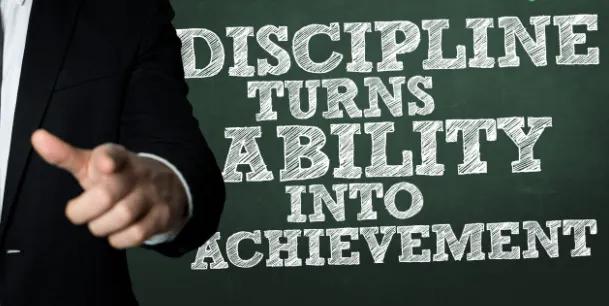
One critical aspect often overlooked in customer service is discipline.
Discipline means:
- Tracking every customer request end-to-end
- Taking ownership instead of passing blame
- Not resting until the final resolution is delivered
- Updating the customer at every stage, even when there is no immediate solution
Customers do have patience but that’s not infinite.
As a customer service representative or manager, you should never test that patience.
Silence, delays, or repeated apologies without progress are the fastest ways to lose trust.
Why Organizations Create Multiple Escalation Channels
Many organizations have:
- Level 1 support
- Level 2 escalations
- Grievance redressal teams
- Ombudsman or leadership escalation paths
This is not bureaucracy, it is respect for customers.
Organizations understand that customers are their bread and butter.
Losing one customer doesn’t just mean losing revenue, it means losing referrals, reputation, and credibility.
In my store example, the shopkeeper didn’t just lose one customer. He lost:
- Future purchases
- Positive word of mouth
- Trust within the community
In customer-centric industries, word of mouth is currency.
Empathy Must Be Followed by Action
So, what should effective customer service look like?
- Listen actively to understand the real issue
- Empathize genuinely and not mechanically
- Take ownership, even if the issue wasn’t created by you
- Create a clear roadmap for resolution
- Communicate every step transparently
- Close the loop only when the customer is truly relieved
Always Remember:
Customers don’t remember what you said.
They remember what you did.
Empathy opens the door.
Action keeps the customer inside.
If you rely only on empathy, you may win the conversation, but lose the customer.
If you pair empathy with ownership and disciplined execution, you build trust, loyalty, and long-term relationships.
In customer service, kindness is expected.
Resolution is remembered.
And that is the difference between good service and great service !!